
CAR-T Cell Therapy
Revolutionary Immunotherapy for Blood Cancers
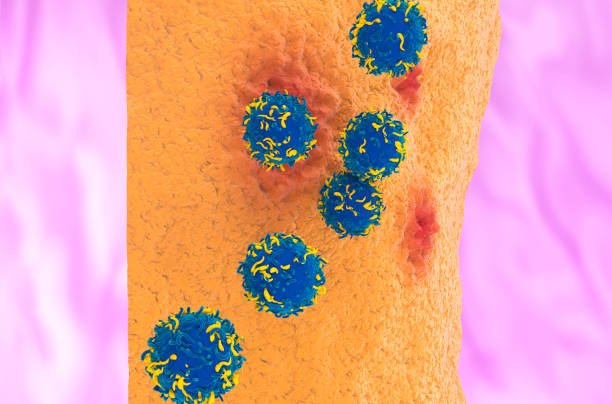
Advanced Immunotherapy
What is CAR-T Cell Therapy?
CAR-T (Chimeric Antigen Receptor T-cell) therapy is a groundbreaking form of immunotherapy that reprogrammes a patient's own immune cells to recognize and attack cancer cells. This revolutionary treatment has shown remarkable success in treating certain blood cancers that have not responded to conventional therapies.
Under the expert guidance of Dr. Sujeet Kumar, we offer state-of-the-art CAR-T cell therapy for eligible patients, providing new hope where traditional treatments have failed.
Our comprehensive CAR-T program includes patient selection, cell collection, genetic modification, infusion, and specialized post-treatment care to manage potential side effects.
Book ConsultationThe Science Behind
How CAR-T Cell Therapy Works
A step-by-step process of this revolutionary cancer treatment
Patient Selection & Evaluation
Comprehensive assessment to determine CAR-T therapy suitability based on cancer type, previous treatments, and overall health status.
- Specific blood cancer types (B-cell malignancies)
- Failed previous treatments
- Adequate organ function
- Good performance status
T-cell Collection (Leukapheresis)
Collection of patient's T-cells through a specialized blood separation process called leukapheresis.
- 3-4 hour outpatient procedure
- Similar to platelet donation
- Minimal discomfort
- Cells shipped to manufacturing facility
Genetic Engineering
T-cells are genetically modified in a specialized laboratory to express chimeric antigen receptors (CARs) that target cancer cells.
- Viral vector insertion of CAR gene
- Cell expansion and multiplication
- Quality control testing
- 2-4 week manufacturing time
Conditioning Chemotherapy
Patient receives lymphodepleting chemotherapy to prepare the immune system for CAR-T cell infusion.
- Create space for new T-cells
- Reduce competing immune cells
- Enhance CAR-T cell expansion
- 3-5 days of chemotherapy
CAR-T Cell Infusion
Genetically modified CAR-T cells are infused back into the patient's bloodstream, similar to a blood transfusion.
- 30-60 minute procedure
- Close monitoring for reactions
- Hospital admission required
- Pre-medication to prevent reactions
Monitoring & Side Effect Management
Close monitoring for 2-4 weeks for CAR-T cell expansion and management of potential side effects like CRS and neurotoxicity.
- Daily blood count monitoring
- CRS management protocols
- Neurological assessment
- Supportive care measures
Long-term Follow-up
Regular monitoring for treatment response, long-term side effects, and disease recurrence.
- Monthly visits for first 6 months
- Quarterly visits for 2 years
- Annual lifelong monitoring
- Immune function assessment
Treatment Indications
Conditions Treated with CAR-T Therapy
FDA-approved and emerging applications of CAR-T cell therapy
B-cell Acute Lymphoblastic Leukemia (ALL)
For children and young adults up to 25 years with relapsed or refractory B-cell ALL.
Diffuse Large B-cell Lymphoma (DLBCL)
For adults with relapsed or refractory DLBCL after two or more lines of therapy.
Multiple Myeloma
For adults with relapsed or refractory multiple myeloma after four or more prior lines of therapy.
Mantle Cell Lymphoma
Emerging applications showing promising results in clinical trials for relapsed/refractory cases.
Follicular Lymphoma
Investigational use showing high response rates in patients with multiply relapsed disease.
Other Blood Cancers
Ongoing research for T-cell malignancies, acute myeloid leukemia, and other hematological disorders.
Why Choose CAR-T
Benefits of CAR-T Cell Therapy
Revolutionary advantages over traditional cancer treatments
Targeted Precision
Specifically targets cancer cells while sparing healthy tissues, reducing collateral damage and side effects.
Long-lasting Memory
CAR-T cells can persist in the body for years, providing ongoing surveillance against cancer recurrence.
Rapid Response
Many patients achieve complete remission within weeks, much faster than traditional chemotherapy.
Personalized Treatment
Uses patient's own cells, making it a truly personalized therapy with minimal rejection risk.
Hope for Refractory Cases
Effective in patients who have failed multiple lines of conventional therapy, offering new hope.
Continuous Improvement
Ongoing research is making CAR-T therapy safer, more effective, and applicable to more cancer types.
Safety & Management
CAR-T Therapy Side Effects
Understanding and managing potential treatment-related effects
Cytokine Release Syndrome (CRS)
CommonImmune system overactivation causing fever, low blood pressure, and breathing difficulties.
- High fever (≥38°C)
- Low blood pressure
- Rapid heart rate
- Difficulty breathing
- Tocilizumab (Actemra)
- Corticosteroids
- ICU monitoring
- Supportive care
Neurological Toxicity (ICANS)
CommonTemporary neurological symptoms ranging from confusion to seizures and cerebral edema.
- Confusion and disorientation
- Difficulty speaking
- Tremors or seizures
- Headache and fatigue
- Neurological assessment
- Corticosteroids
- Anti-seizure medications
- Close monitoring
B-cell Aplasia
ExpectedLong-term depletion of normal B-cells due to CAR-T cells targeting CD19 antigen.
- Low immunoglobulin levels
- Increased infection risk
- Requires IVIG replacement
- Long-term monitoring
- Regular IVIG infusions
- Infection prophylaxis
- Vaccination monitoring
- Immune function tests
Other Side Effects
ManageableVarious other treatment-related effects that are generally manageable with standard care.
- Fatigue and weakness
- Nausea and vomiting
- Low blood counts
- Increased infection risk
- Symptomatic treatment
- Growth factor support
- Antibiotic prophylaxis
- Nutritional support
Clinical Outcomes
CAR-T Therapy Success Rates
Remarkable results from clinical trials and real-world experience
Across various B-cell malignancies
In refractory large B-cell lymphoma
In pediatric/young adult B-ALL
In heavily pretreated multiple myeloma
Long-term Outcomes by Disease Type
| Disease | Complete Response | 1-Year Survival | 2-Year Survival | Durability |
|---|---|---|---|---|
| B-ALL (Pediatric) | 81% | 76% | 62% | Long-term in 40% |
| DLBCL | 54% | 63% | 49% | Ongoing in 35% |
| Multiple Myeloma | 33% | 89% | 74% | Median 18 months |
| Mantle Cell Lymphoma | 67% | 83% | 63% | Median 25 months |

Expert CAR-T Care
Why Choose Our CAR-T Program?
Expert Leadership
Dr. Sujeet Kumar brings specialized expertise in cellular therapy and immunotherapy from premier cancer centers
Advanced Facility
State-of-the-art cellular therapy unit with specialized monitoring capabilities for CAR-T patients
Multidisciplinary Team
Comprehensive care team including cellular therapy specialists, intensivists, neurologists, and support staff
Safety Protocols
Rigorous safety protocols and 24/7 monitoring for early detection and management of side effects
Comprehensive Support
Complete support services including financial counseling, psychological support, and rehabilitation
Clinical Trial Access
Access to cutting-edge CAR-T clinical trials and emerging cellular therapy approaches

Ready to Explore CAR-T Therapy Options?
Schedule a comprehensive consultation with Dr. Sujeet Kumar to determine if CAR-T cell therapy is right for you or your loved one.
Urgent cases and second opinions: Call directly for immediate guidance